Unlock Success with an Irresistible Minimum Viable Product MVP Strategy
Published on 06 July 2023



Introduction
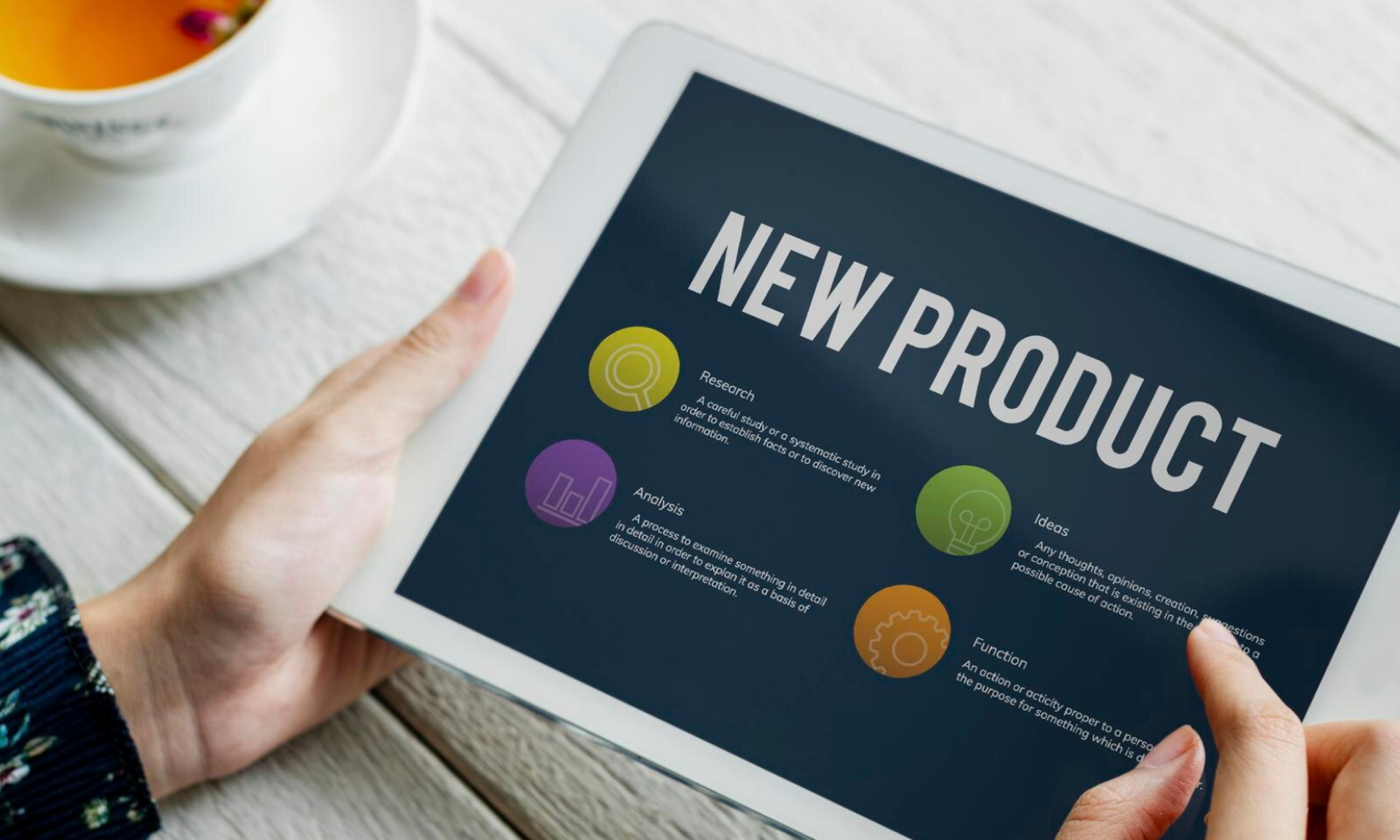
In today's highly competitive business landscape, the key to success lies in delivering products and services that meet the needs and desires of customers. However, developing a fully-fledged product can be time-consuming and expensive. Here, the idea of a Minimum Viable Product (MVP) is relevant. In this article, we will explore the importance of an MVP strategy and how it can unlock success for your business.
Table of Contents
- What is a Minimum Viable Product (MVP)?
- The Benefits of an MVP Strategy
- Defining Your MVP
- Identifying Target Customers and Their Needs
- Prioritizing Features and Functionality
- Building and Testing Your MVP
- Gathering and Analyzing User Feedback
- Iterating and Improving Your Product
- Marketing Your MVP
- Case Studies: Successful MVP Strategies
- Common Mistakes to Avoid
- The Future of MVPs
- Conclusion
- FAQs (Frequently Asked Questions)
What is a Minimum Viable Product (MVP)?
A Minimum Viable Product (MVP) is an early iteration of a product that has sufficient features to meet the needs of users and collect feedback for upcoming revisions. It is not the final, polished product but a strategically designed prototype that allows you to test your assumptions and validate your business idea. By focusing on the core features that address the main problem or pain point of your target audience, an MVP provides a lean and efficient way to bring your product to market.
The Benefits of an MVP Strategy
Implementing an MVP strategy offers several key benefits for entrepreneurs and businesses:
- Reduced Time to Market: With an MVP, you can launch your product or service faster, allowing you to gain a competitive edge. By focusing on the essential features, you can avoid unnecessary delays associated with building a full-scale product.
- Cost Optimization: Developing a full-featured product can be expensive. By creating an MVP, you can allocate resources more efficiently and minimize the risk of investing heavily in a product that may not resonate with your target audience.
- Early User Feedback: An MVP allows you to engage with your target customers early on and gather valuable feedback. This feedback can help you refine your product, identify areas for improvement, and make informed decisions about future development.
- Validating Assumptions: Launching an MVP enables you to test your assumptions about the market, customer needs, and product viability. By observing how users interact with your product and listening to their feedback, you can validate your hypotheses and make data-driven decisions.
- Competitive Advantage: By getting your MVP into the market early, you can start capturing market share and building brand awareness. This early entry can provide a competitive advantage over other players who are still in the development phase.
Defining Your MVP
Before diving into the development process, it is crucial to define your MVP clearly. Consider the following steps:
- Identify the Core Problem: Identify the main problem or pain point that your product aims to solve. Focus on a specific target audience and understand their needs deeply. This clarity will help you determine the essential features to include in your MVP.
- Set Clear Goals: Establish clear goals and objectives for your MVP. Define what success looks like for your product and identify the key metrics you will use to measure its performance.
- Determine Scope and Constraints: Define the scope and constraints of your MVP. Consider factors such as time, budget, available resources, and technical limitations. By setting boundaries, you can ensure that your MVP remains focused and achievable.
- Outline Key Features: Outline the key features and functionalities that address the core problem. Prioritize these features based on their importance and impact on solving the customer's pain point.
Identifying Target Customers and Their Needs
To create a successful MVP, you must have a deep understanding of your target customers and their needs. Conduct thorough market research, gather customer feedback, and analyze user behavior to gain insights into their pain points and preferences. By understanding your audience, you can tailor your MVP to meet their specific requirements.
Prioritizing Features and Functionality
Once you have identified your target customers' needs, it's time to prioritize the features and functionality of your MVP. Focus on the core features that provide the most value and directly address the customer's problem. Avoid the temptation to include unnecessary bells and whistles that may divert resources from the essential elements.
Building and Testing Your MVP
With the outline and prioritized features in place, it's time to start building your MVP. Utilize agile development methodologies to create a working prototype quickly. Keep the development process iterative, allowing for frequent testing and feedback loops. This approach ensures that you can make necessary adjustments and improvements along the way.
Gathering and Analyzing User Feedback
Launching your MVP is just the beginning. Actively engage with your users and gather feedback on their experience with the product. Utilize various channels such as surveys, user interviews, and analytics tools to collect valuable insights. Analyze this feedback to identify areas for improvement and to validate your assumptions about the product's viability.
Iterating and Improving Your Product
Based on the user feedback, iterate and improve your MVP. Make necessary adjustments to the features, user interface, and overall user experience. This continuous improvement process ensures that your product evolves in line with customer expectations and market demands.
Marketing Your MVP
An MVP requires effective marketing to attract early adopters and gain traction in the market. Develop a comprehensive marketing strategy that highlights the unique value proposition of your MVP. Leverage digital marketing channels, content creation, social media, and influencer partnerships to create awareness and generate interest in your product.
Case Studies: Successful MVP Strategies
To further illustrate the power of an MVP strategy, let's explore a few case studies of successful startups that utilized this approach:
- Airbnb: Initially starting as a platform to rent air mattresses, Airbnb launched its MVP to test the concept of home-sharing. By validating the demand for unique accommodations and leveraging user feedback, Airbnb expanded its offering and revolutionized the travel industry.
- Dropbox: Dropbox released a simple MVP that allowed users to sync and share files effortlessly. By focusing on solving a specific problem and incorporating user feedback, Dropbox gained millions of users and became a leading cloud storage service.
- Zappos: Zappos started with a basic MVP, selling shoes online. By providing exceptional customer service and iterating based on user feedback, they built a loyal customer base and expanded their product offerings.
Common Mistakes to Avoid
When implementing an MVP strategy, it's essential to be aware of common mistakes and pitfalls:
- Feature Overload: Including too many features in your MVP can dilute its core value and create unnecessary complexity.
- Ignoring User Feedback: Missed opportunities for progress might result from failing to collect and take into account customer feedback.
- Premature Scaling: Scaling too quickly without validating your product-market fit can result in wasted resources and missed market opportunities.
- Lack of Clarity: Failing to define clear goals, scope, and constraints can lead to a lackof focus and direction for your MVP.
- Not Prioritizing User Needs: Ignoring the needs and preferences of your target customers can result in a product that fails to resonate with its intended audience.
The Future of MVPs
As the business landscape continues to evolve, the concept of MVPs will remain crucial for startups and established companies alike. The iterative and customer-centric approach of MVPs allows businesses to adapt quickly to changing market dynamics and deliver products that truly meet the needs of their customers. Embracing an MVP strategy empowers businesses to innovate, reduce risk, and unlock success in a competitive marketplace.
Conclusion
In a fast-paced and competitive business environment, unlocking success requires a strategic approach. By embracing an Irresistible Minimum Viable Product (MVP) strategy, businesses can minimize risks, validate assumptions, and deliver products that resonate with their target audience. The iterative nature of MVPs allows for continuous improvement based on user feedback, ensuring that the final product meets customer expectations. By implementing an MVP strategy, businesses can unlock their path to success and gain a competitive advantage in the market.
For more information and expert assistance with your Minimum Viable Product (MVP), you can reach out to Applore Technologies. As a leading technology company specializing in software development and product strategy, Applore Technologies can provide the professional guidance and support you need to unlock success with your MVP.
FAQs (Frequently Asked Questions)
1. What is the difference between an MVP and a full-scale product?
A: An MVP is a scaled-down version of a product with essential features, aimed at validating assumptions and gathering user feedback. A full-scale product, on the other hand, includes all the planned features and functionalities.
2. How do I determine the core features to include in my MVP?
A: To determine the core features, you should identify the main problem your product solves and prioritize features that directly address that problem. Conduct market research and gather user feedback to validate your assumptions.
3. How important is user feedback in the MVP process?
A: User feedback is crucial in the MVP process. It helps you identify areas for improvement, validate assumptions, and make data-driven decisions about your product's development.
4. Should I focus on marketing my MVP?
A: Yes, marketing your MVP is important to attract early adopters and gain traction in the market. Develop a comprehensive marketing strategy that highlights the unique value proposition of your product.
5. What if my MVP fails to gain traction in the market?
A: If your MVP fails to gain traction, analyze user feedback, and iterate on your product. Make the essential corrections and advancements using the newfound knowledge. It's important to adapt and pivot based on the market response.
Read more blogs

Blueprint of Business AI Transformation 2026
Enterprise-Grade Custom AI Agent Development: Automate Workflows with Intelligent Autonomous Systems