

Notes from the practice, written by hand
Essays, working papers, and research dispatches from the studio’s own engagements. No frameworks, no thought-leadership tax — only what we have learned, and would defend on a Tuesday.

More from the studio
Page 1 of 16
 Dispatch
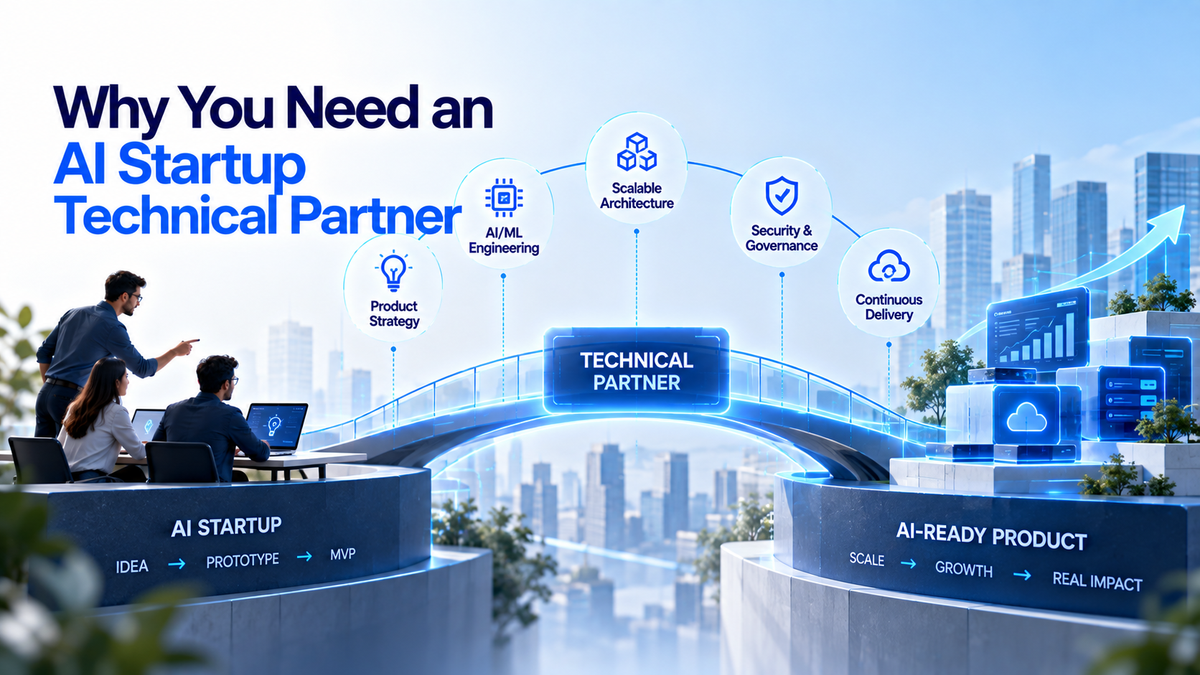
Why You Need an AI Startup Technical Partner
Discover how Applore serves as your ai startup technical partner. We design, build, and embed systems where technology directly affects performance.
 Dispatch
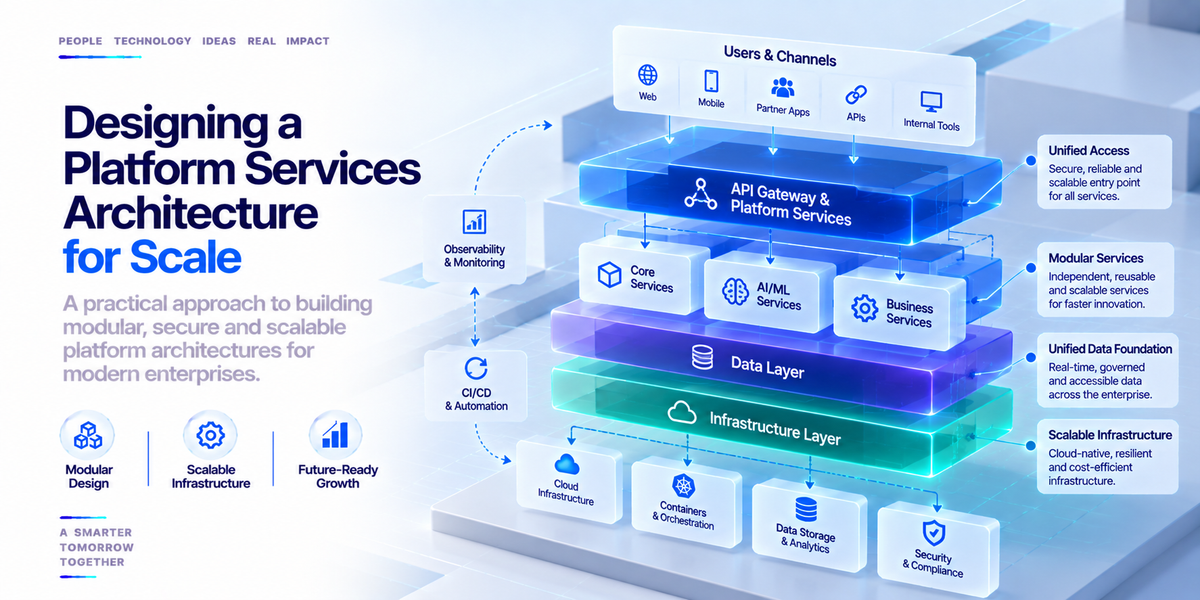
Designing a Platform Services Architecture for Scale
Discover how Applore designs a platform services architecture to connect enterprise data, APIs, and AI systems for compounding operational change.
 Dispatch
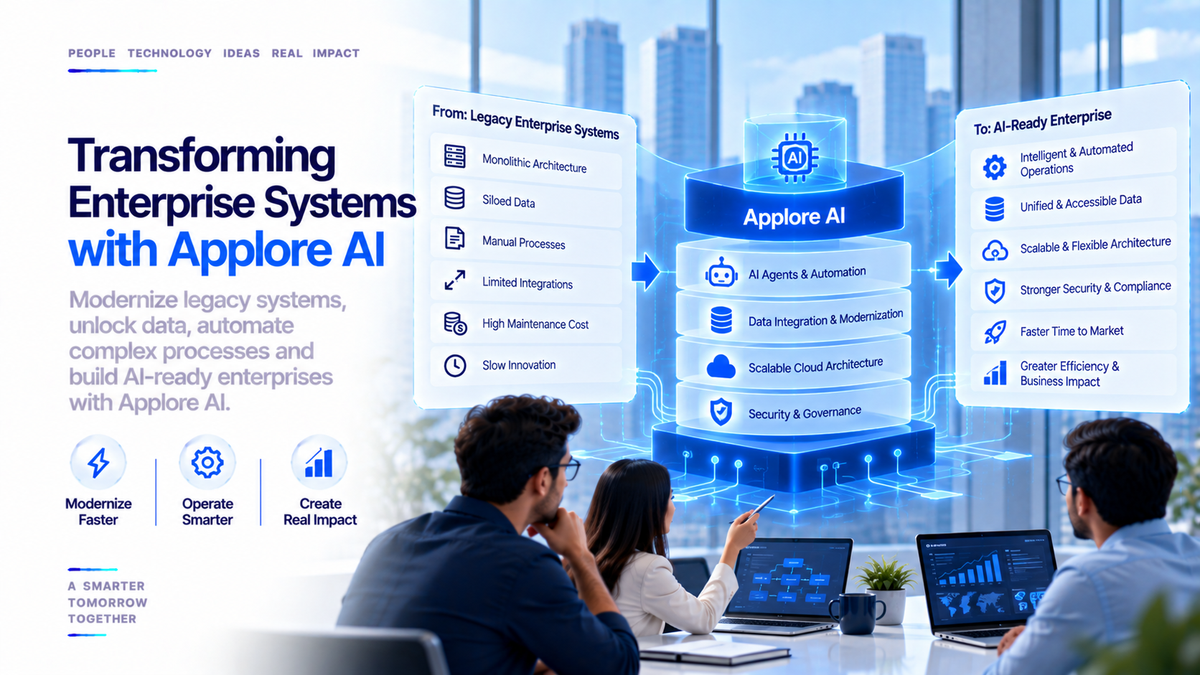
Transforming Enterprise Systems with Applore
Discover how Applore ai re-architects enterprise systems around intelligent workflows to drive real operating change and compound long-term business value.
 Dispatch
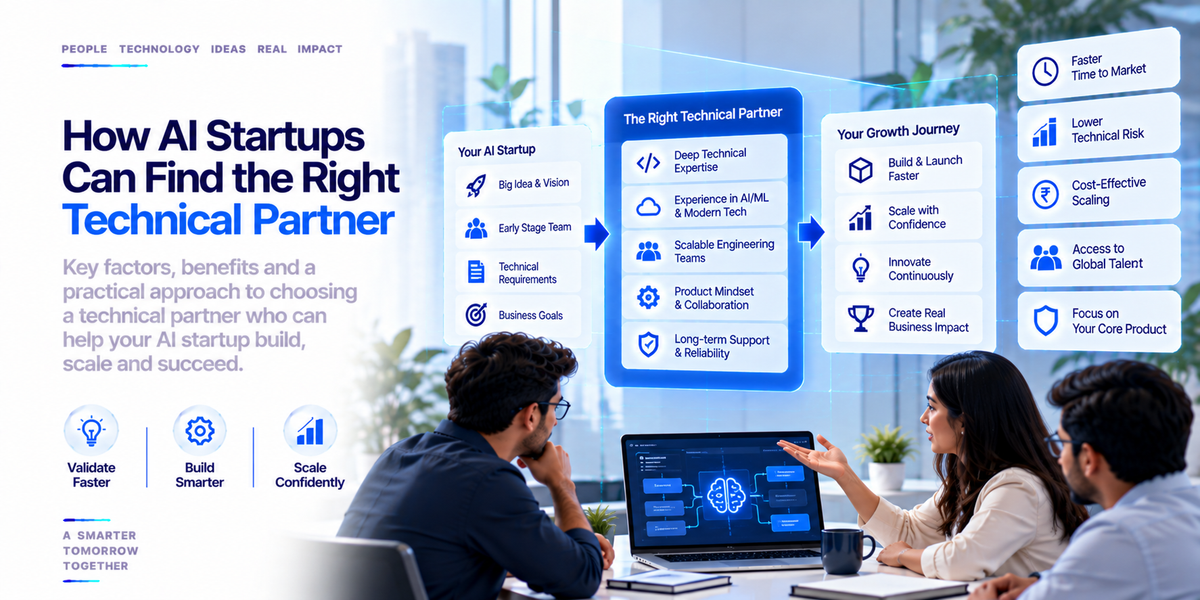
How AI Startups Can Find the Right Technical Partner
Applore serves as the ultimate ai startup technical partner, re-architecting systems to ensure your technology drives measurable operating change.
 Dispatch
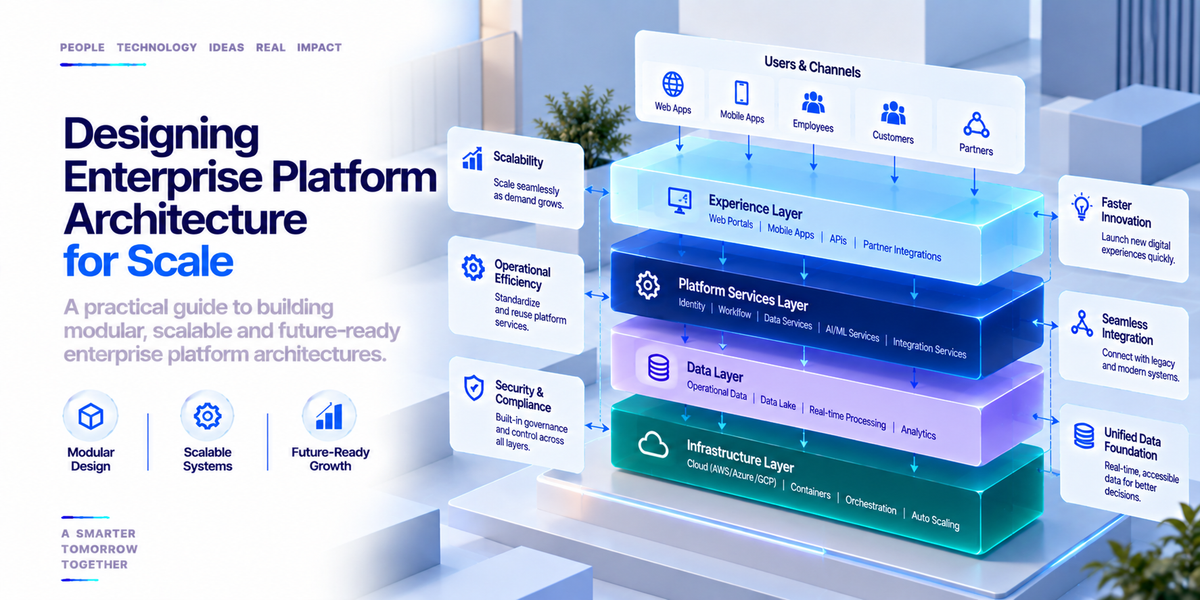
Designing Enterprise Platform Architecture for Scale
Applore designs resilient enterprise platform architecture to unify data, models, and workflows, driving real operating change across global operations.
 Dispatch
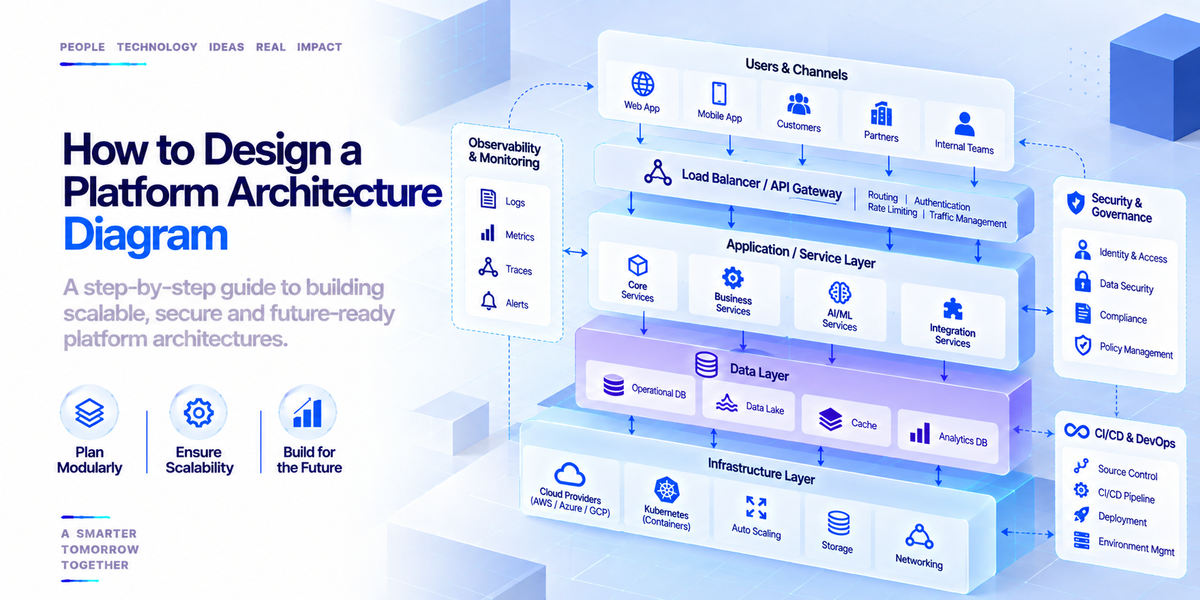
How to design a platform architecture diagram
Applore designs systems that scale. Learn how a platform architecture diagram clarifies decision flows, maps data pipelines, and prepares your enterprise for AI
 Dispatch
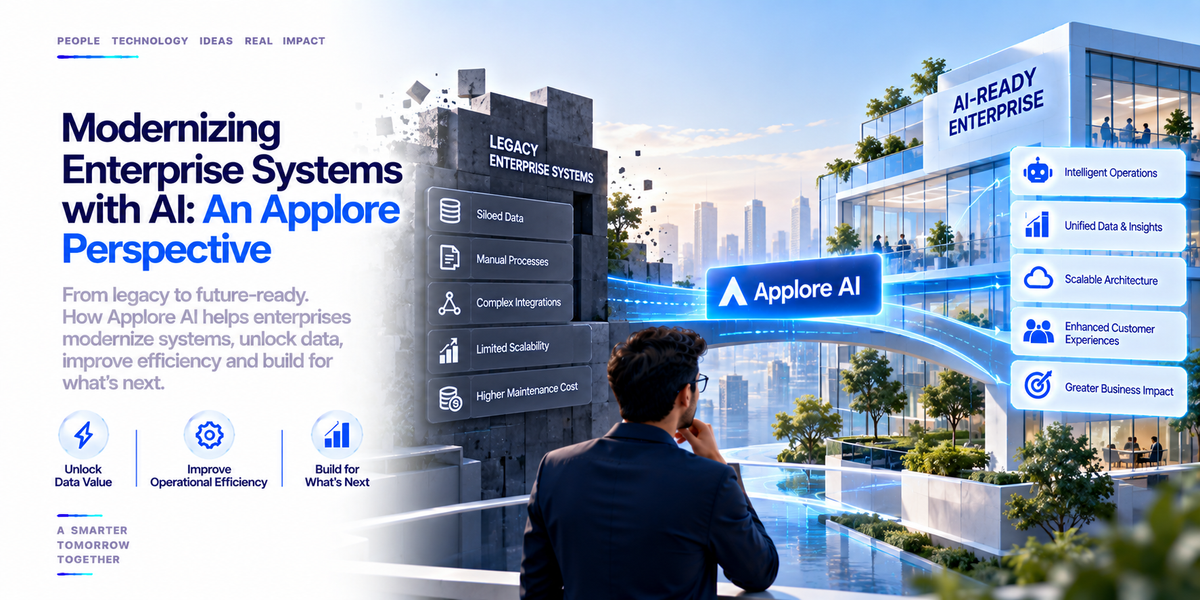
Transforming enterprise systems with applore ai
Discover how Applore ai re-architects enterprise systems around intelligent workflows to drive real operating change and compound long-term business value.
 Dispatch
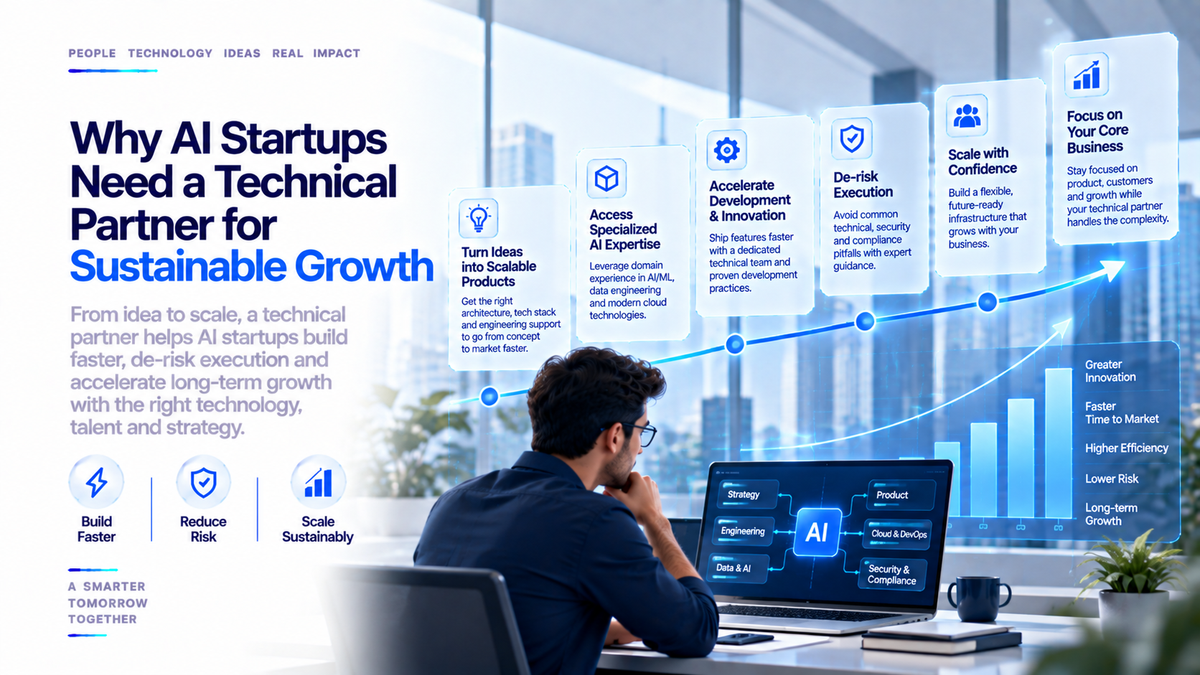
Why AI Startups Need a Technical Partner for Sustainable Growth
Discover how Applore serves as your ai startup technical partner. We design, build, and embed systems where technology directly affects performance.
 Dispatch
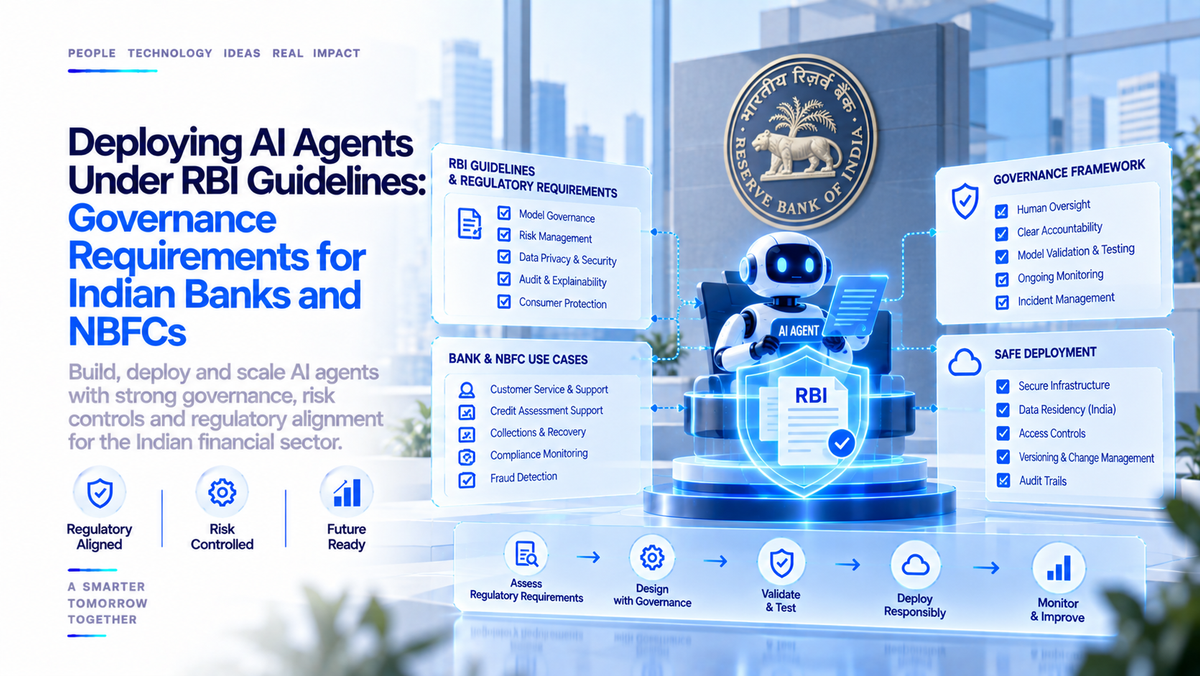
Deploying AI Agents Under RBI Guidelines: Governance Requirements for Indian Banks and NBFCs
Explore how Indian banks and NBFCs can deploy AI agents responsibly while aligning with RBI expectations around governance, risk management, data security, accountability, and human oversight. This guide covers practical considerations for designing, monitoring, and governing AI agents across financial workflows without compromising compliance, transparency, or operational controls.
One email a quarter No frameworks
The studio’s reading list, three pieces we are working on, and one number we are watching. Sent only when there’s something worth saying — typically four times a year.