 In partnership with Open AI
ENTERPRISES
Enterprises navigating
complexity at scale
Large organizations rarely struggle because of a lack of technology.
They struggle under the accumulated weight of it - legacy systems, layered decisions, and transformation programs running in parallel.
In these environments, technology is no longer just an enabler.
It becomes a constraint - unless it is actively managed.
Where complexity starts to slow things down
Legacy systems holding critical operations
Accumulated technical complexity
Transformation without alignment
Siloed systems and data
High cost of change
Limited visibility across systems and decision layers
Where We Step In
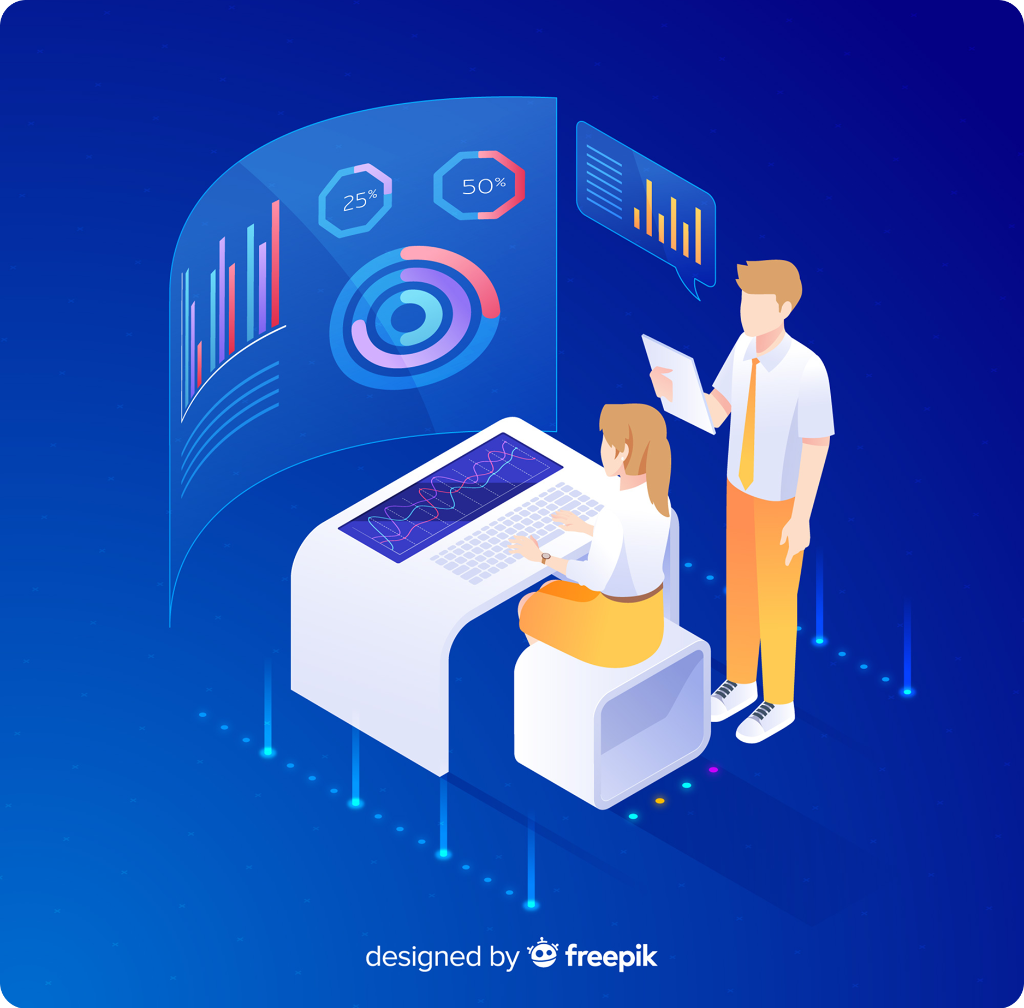
1 We bring clarity to complex environment
Creating a clear, structured view of systems, dependencies, and where complexity is coming from.
What changes
When the structure becomes clear, everything else starts to move differently.
Faster Decisions
Teams make quicker, more confident choices.
Real Results
Technology investments deliver measurable impact.
Scalable Systems
Teams make quicker, more confident choices.
Reduced Complexity
Teams spend less time managing processes and tools.
Greater Control
The business steers its direction with clarity and confidence
Real Business Impact defines
Successful Technology
We measure success through measurable operational improvements — not features shipped, hours billed, or systems launched.

Frequently Asked
Questions
Answers to common questions about working with Applore and our advisory-led approach to technology decisions.
A boutique AI consulting firm embeds senior operators inside the client's engineering and operating teams to design, build, and lock in adoption of AI-native systems. Unlike large-firm consulting, the partner you meet in the pitch is the partner who reviews the architecture six months later. Applore runs this model out of three studios — Noida, Delaware, and London — for enterprises in the US, UK, and Western Europe.
Digital transformation using AI changes how decisions flow through the business; AI implementation just adds a model. The transformation work includes data foundation, drift telemetry, adoption telemetry, and the operating discipline that keeps the model compounding past month six. Most AI pilots stall at the meeting after the model — when the operator decides the new system does not fit how Tuesday actually works. We design against that failure from day one.
Every engagement opens with a one-week ethnography. One of our senior operators sits next to one of yours, full-time, before any decision is scoped. The first artefact is not a deck — it is a list of workarounds the team has built up over five years. Architecture, tooling, and roadmap follow from that.
Applore works with mid-market and enterprise leaders, founder-led teams in series B+, and boards evaluating technology investment cases. Sectors of depth: regulated finance, health, retail operations, public-interest data, and AI-native software. Geographic reach: US, UK, Western Europe, and India. We are deliberately small — engagements are partner-led, not headcount-led.
Three structural differences. First, the engineers reading your code are the engineers who wrote it — there is no offshore handover. Second, we measure ourselves on the percentage of decisions still flowing through the new system at month eighteen, not on deliverables shipped. Third, we cost the change. If the executive sponsor will not fund the change cost — in time, in air cover, in named enablement leads — the engagement does not start.
Strategy engagements are six to twelve weeks. Build engagements are four to nine months. Adoption engagements run alongside build and continue for six to twelve months past handover. The studio is set up for multi-quarter programmes; we do not take on month-long sprints unless they are scoped explicitly as a precursor to longer work.
Applore operates from three studios — Noida (India HQ, the execution engine), Delaware (United States, North-American operating partnership), and London (United Kingdom, regulated-industry depth across the EU). Programmes never pause; work crosses Noida → London → Delaware in a 24-hour relay, with one architect on point and the rest writing the next instruction.
Send a brief through the contact form at apploretechnologies.com/contact-us, or email hello@applore.in directly. Every inbound is read by a senior operator within two business days. We return a signal on fit before the first meeting, so you don't spend an hour finding out we are not the right shop.
Let’s Build Systems That Scale with You.
Let’s explore how the right systems, automation, and architecture can unlock real operational performance.